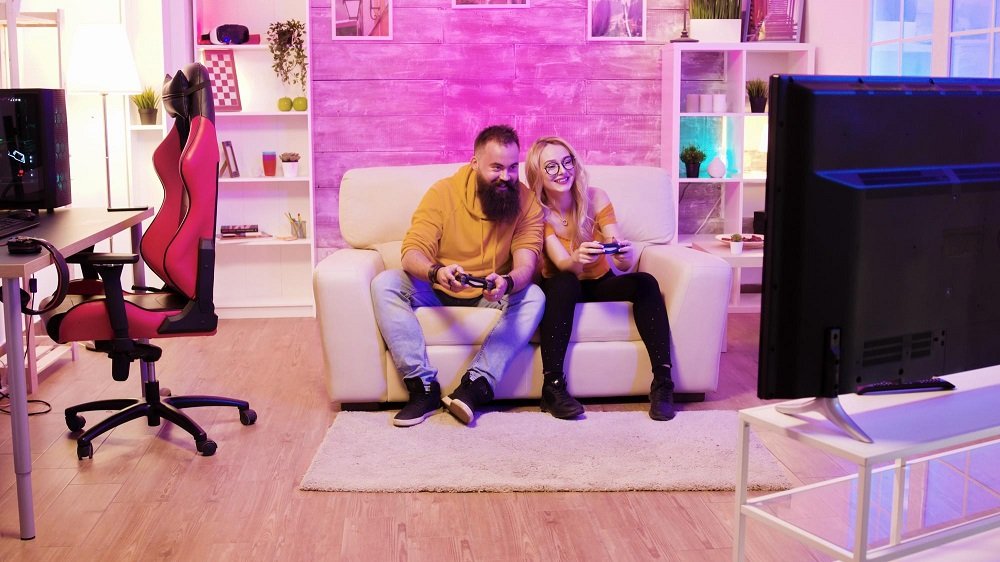
A game room should do two things really well: look great and feel even better to spend time in. Whether you’re into console gaming, billiards, poker nights, or all of the above, the right design makes the space feel intentional — not like a garage afterthought. Here’s how to build a game room that actually impresses.
Start With a Clear Vision
Before you buy a single thing, figure out how the room will be used. Is this primarily a video game setup? A pool table and bar situation? A multi-use hangout spot for the whole family? The answer shapes every decision that follows — from flooring to lighting to how many seats you actually need.
Don’t try to cram everything into one space without a plan. Rooms that try to do too much often end up doing nothing well. Pick your two or three main activities and design around those.
Lighting Sets the Whole Mood
Lighting might be the single most underrated element in game room design. Overhead fluorescent lighting kills the vibe immediately. Instead, layer your lighting with dimmable LEDs, floor lamps, and accent strips behind screens or along shelving. Smart bulbs let you shift color temperature depending on what you’re doing — bright white for board games, deep amber for late-night sessions.
For dedicated gaming setups, bias lighting behind the monitor reduces eye strain and adds that sleek, studio-style look you see in professional setups. It’s a small touch that makes a big visual difference.
Furniture That Works as Hard as It Looks
This is where most game rooms either come together or fall apart. Generic, mismatched furniture makes even the nicest room feel unfinished. Investing in pieces from a high quality furniture store makes a genuine difference — not just aesthetically, but in how the room actually functions day to day.
Think about seating first. If people are going to sit for hours, they need real comfort — not folding chairs or old couches dragged in from another room. Modular sectionals work beautifully in larger game rooms because they’re flexible and can face multiple screens. For a more focused gaming corner, a deep lounge chair with a matching ottoman hits the sweet spot between casual and supportive.
Storage is equally important. Built-in shelving, media consoles with cable management, and side tables with drawers keep things tidy without sacrificing style. A cluttered game room is a stressful game room.
Pick a Design Direction and Commit
Some of the best game rooms lean fully into a theme. Industrial styles with exposed brick, Edison bulbs, and metal accents give the space an edgy, bar-like feel. A minimalist setup with clean lines and monochromatic tones keeps the focus on the tech. Retro arcade rooms with neon signs and vintage decor are pure fun.
Whatever direction you choose, consistency matters. Mixing five different design styles in one room creates visual noise. Pull colors, textures, and materials from the same family and the whole space will feel curated rather than collected.
Sound and Acoustics Matter More Than You Think
Hard floors and bare walls create echo and amplify sound in all the wrong ways. Area rugs, upholstered furniture, and even wall-mounted acoustic panels dramatically improve how the room sounds — whether you’re blasting a surround sound system or just trying not to disturb the rest of the house.
If you’re building a serious home theatre setup alongside your game room, consider professional acoustic treatment. Bass traps in the corners and diffuser panels on the rear wall can transform the listening experience without turning the room into an ugly recording studio.
Don’t Forget the Bar or Refresh Station
Every great game room benefits from a dedicated spot for drinks and snacks. This doesn’t have to be a full wet bar — a mini fridge, a compact counter, and some open shelving for glasses and snacks get the job done. It keeps people in the room and out of the kitchen, which keeps the energy going.
A well-placed bar cart is another smart option. It’s mobile, stylish, and works in spaces where permanent built-ins aren’t practical.
The Final Touches That Tie It All Together
Wall art, framed game posters, trophy displays, or collector shelves add personality without requiring a renovation. Plants bring life to a space that can otherwise feel dark and closed off. A quality rug anchors the seating area and gives the room a sense of structure.
The goal with any game room is to build a space people actually want to spend time in — somewhere that feels like it was designed with care, not just assembled out of convenience. Get the fundamentals right, invest in pieces that last, and the room will pay for itself in every game night, watch party, and lazy Sunday you spend in it.